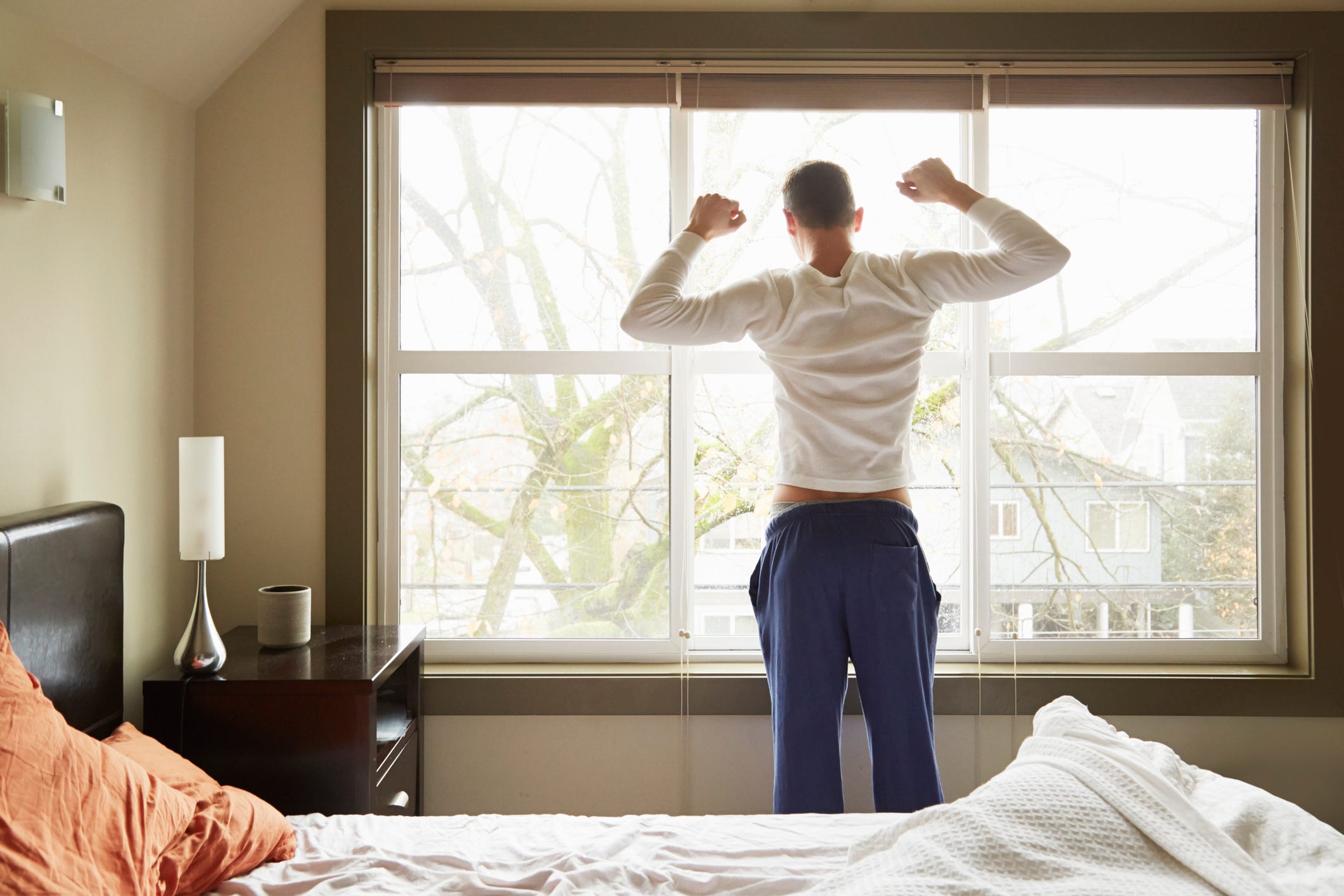
A nightcap helps you fall asleep faster, but it's stealing the most important part of your sleep cycle. Here's what's actually happening in your brain.
The Nightcap Lie
Millions of men use alcohol as a sleep aid. A beer before bed, a whiskey to wind down. It works, you fall asleep faster, and that feels like a win. But the science tells a different story about what happens next.
Alcohol is a central nervous system depressant, which is why it makes you feel drowsy. But as your body metabolizes it through the night, it creates a rebound effect that fragments your sleep and, most critically, suppresses REM sleep, the stage responsible for memory consolidation, emotional regulation, and cognitive restoration.
What REM Sleep Actually Does
REM (Rapid Eye Movement) sleep is when your brain processes the day's experiences, consolidates learning into long-term memory, and regulates emotional responses. It's also when your body produces the majority of its growth hormone pulse, critical for muscle repair and recovery.
Adults typically cycle through four to six REM periods per night, with the longest and most restorative periods occurring in the second half of the night. This is precisely when alcohol's metabolic rebound hits hardest.
The Alcohol-Sleep Disruption Mechanism
Here's what happens on a molecular level when you drink before bed. In the first half of the night, alcohol increases slow-wave (deep) sleep while suppressing REM. This is why the first few hours feel like solid sleep. But as blood alcohol concentration drops, typically around 3 to 4 AM, the brain overcorrects. REM pressure surges, causing fragmented sleep, vivid or disturbing dreams, and early waking.
The result: you spent eight hours in bed and wake up feeling like you slept four. Because in terms of restorative sleep quality, you essentially did.
The Cumulative Effect
One night of alcohol-disrupted sleep is recoverable. A pattern of weekend drinking creates cumulative sleep debt that affects cognitive performance, mood, and physical recovery all week. Research from the Sleep Foundation shows that even moderate alcohol consumption, two drinks, reduces sleep quality by 24%. Three or more drinks reduces it by nearly 40%.
For men who train seriously, this matters enormously. You can optimize your nutrition and training program perfectly, but if your sleep quality is chronically degraded by alcohol, your recovery ceiling is artificially lowered.
What Happens When You Stop
Men who go alcohol-free for 30 days consistently report that sleep quality is the first and most dramatic change they notice. By week two, REM sleep normalizes. By week three, most men report waking up feeling genuinely rested for the first time in years. The brain's sleep architecture, once alcohol is removed, is remarkably good at restoring itself.
This is why the UNDRNK 30-Day Reset includes a dedicated sleep optimization protocol. Sleep is the foundation. Everything else, training, focus, mood, hormones, improves when sleep quality is restored.